Open Today Sales: 9 AM-7 PM


Hours:
Open Today Sales: 9 AM-7 PMOpen Today Service: 7:30 AM-7 PMOpen Today Parts: 7:30 AM-5 PM
Location
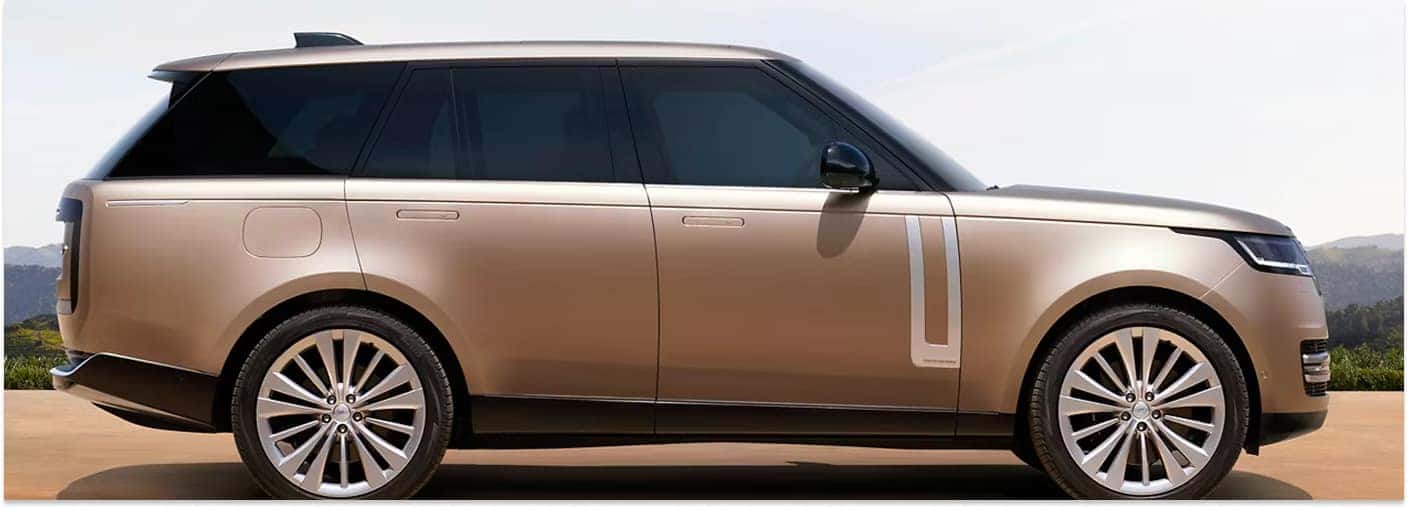
Selecting new wheels for your Range Rover requires precise engineering alignment. Confirming your Range Rover bolt pattern, also referred to as a Range Rover lug pattern, helps ensure replacement wheels seat flush against the axle hub. Proper fitment reduces the risk of road vibrations, uneven tire wear, and unnecessary drivetrain strain, whether you’re commuting along Route 35 in Eatontown or driving along the Shrewsbury River in Rumson.
The Range Rover lug pattern describes the total number of lug studs on the wheel hub and the diameter of the circle they form. Across modern model generations, Range Rover models utilize a Pitch Circle Diameter (PCD) of 5×120 mm. This designation indicates five lug holes positioned evenly around a 120 mm circle.
Installing a wheel with an incompatible bolt pattern or improper lug nut seating creates uneven pressure across the wheel hub. Factory-trained technicians at Land Rover Monmouth, located minutes from Monmouth Park Racetrack, helps ensure every wheel installation meets strict manufacturer torque and tolerance standards.
While the PCD 5×120 bolt pattern remains consistent across recent generations, stock rim sizes, offset parameters, and tire dimensions vary by year. Reference the table below to check your vehicle’s factory wheel specifications:
| Model Year | Bolt Pattern (PCD) | Lug Nut Thread Pitch | OEM Stock Rim Diameter | OEM Approved Tire Sizes |
|---|---|---|---|---|
| 2024 | 5×120 | M14 x 1.5 | 20 – 23 in. | 255/60R20, 275/55R20, 275/50R21, 285/45R22, 285/40R23 (SV Rear: 305/35R23) |
| 2023 | 5×120 | M14 x 1.5 | 20 – 23 in. | 255/60R20, 275/55R20, 275/50R21, 285/45R22, 285/40R23 |
| 2022 | 5×120 | M14 x 1.5 | 19 – 23 in.* | 235/65R19, 255/50R20, 255/55R20, 275/45R21, 275/40R22 (New Gen L460: 23 in. / 285/40R23) |
| 2018–2021 | 5×120 | M14 x 1.5 | 19 – 22 in. | 235/65R19, 255/50R20, 255/55R20, 275/45R21, 275/40R22 |
| 2013–2017 | 5×120 | M14 x 1.5 | 19 – 22 in. | 235/65R19, 255/50R20, 255/55R20, 275/45R21, 275/40R22 |
| 2002–2012 | 5×120 | M14 x 1.5 | 18 – 20 in.** | 255/60R18, 255/55R19, 255/50R20 (275/40R20 on Supercharged models) |
| 1999–2001 | 5×120 | M14 x 1.5 | 16 – 18 in. | 235/70R16, 255/65R16, 255/55R18 |
*Minimum wheel sizes vary by trim and brake package. High-performance models require larger wheels to clear oversized brake calipers. Always verify fitment by VIN with a certified technician before installation.
Confirming your Range Rover bolt pattern is only the first step when upgrading or replacing wheels. Wheel offset, backspacing, and hub center bore size directly influence brake caliper clearance and steering geometry.
Drivers navigating daily routes near Holmdel Park or through Red Bank and Colts Neck demand uncompromising dynamic capability. The service center at Land Rover Monmouth supplies original equipment wheel options, seasonal tire packages, and computer-guided wheel balancing built specifically for high-performance luxury travel.
Whether you need seasonal tire changeovers or custom wheel fitment advice, our certified technicians are ready to assist. Contact our service advisors or visit our tire center in Eatontown to inquire about current service incentives and tire options.
These recommendations may become outdated over time or differ from recommendations for older vehicles. To ensure accuracy, always consult your owner’s manual or a certified OEM mechanic.
Tire sizes listed don’t include mandatory Load Index and Speed Rating specifications. Because Range Rovers are heavy, high-capacity vehicles, installing tires with an insufficient load rating can lead to tire failure. Always replace tires with those matching the exact OEM load and speed specifications.
Information provided is for reference only. Improper wheel installation, including failing to tighten lug nuts to the strict OEM torque specifications, can result in severe vehicle damage or wheel detachment. We strongly recommend all wheel and tire services be performed by a certified Land Rover technician.
The fitment specifications provided apply to Genuine Land Rover Original Equipment wheels. Installing unauthorized aftermarket wheels may negatively affect vehicle handling, cause premature wear to suspension components, and potentially void your manufacturer warranty.